Dining Room Area Rug Care: How to Protect and Maintain Your Rug
Dining room area rugs bring warmth, acoustic comfort, and timeless elegance to one of the most shared spaces in any home. Whether hosting festive Sunday family dinners in Salt Lake City or enjoying quiet weekday breakfasts, a beautiful area rug anchors the dining set and creates an inviting atmosphere for family and guests alike.
However, dining room rugs face unique everyday challenges that few other home furnishings encounter. They must withstand constant friction from shifting chair legs, heavy table pressure, dropped food, accidental drink splashes, and fine airborne dust. Implementing consistent dining room area rug care is essential to preserve your rug's structural integrity, vibrant colors, and soft texture over the years.
Without a thoughtful maintenance routine, food residues can attract pests, fine soil can act like sandpaper on delicate fibers, and chair legs can cause severe fiber abrasion. In this guide, our local rug care specialists share practical advice on how to choose the right foundation, prevent everyday dining wear, manage accidental spills safely, and know when facility-based professional cleaning is necessary.
Understanding the Unique Stresses on Dining Room Rugs
Before implementing a maintenance routine, it helps to understand why dining room area rugs experience rapid wear compared to rugs in low-traffic bedrooms or formal sitting rooms:
- Repetitive Chair Movement: Every time someone sits down or stands up, chair legs scrape across the rug surface. Over time, this repetitive dragging pulls at pile yarns, weakens knotting, and causes localized bald spots or crushed fibers.
- Concentrated Point Pressure: Heavy solid-wood dining tables and occupied chairs exert intense downward force on small contact points, which can crush pile fibers and warp the foundation backing.
- Food and Beverage Accidents: From hot coffee and red wine to salad dressings, sauces, and dessert syrups, dining rugs are constantly in the splash zone. Organic food debris can quickly embed itself deep between rug knots.
- Airborne Cooking Residues: In open-concept Utah homes where kitchens connect directly to dining spaces, microscopic aerosolized cooking oils drift through the air and settle onto rug fibers, creating a sticky film that attracts dry dust.
Sizing and Placement for Dining Room Area Rug Care
Effective dining room area rug care begins long before any spill occurs—it starts with proper sizing and placement. Many homeowners make the mistake of selecting a rug that fits only the tabletop rather than the full chair radius.
The 24-to-30-Inch Border Rule
When selecting or positioning your dining room rug, ensure the rug extends at least 24 to 30 inches beyond all sides of the dining table. This provides ample perimeter space so that when guests push their chairs back to stand up, all four chair legs remain safely on the rug surface. If a rug is too small, the rear chair legs will slide off the edge, catching the delicate binding or fringe every time the chair is pulled forward. Over time, this friction tears the perimeter binding and creates permanent ripples.
Using the Right Low-Profile Rug Pad
Underneath every dining area rug, a high-quality, dense rug pad is non-negotiable. For dining rooms, avoid thick, squishy foam padding, which can cause dining chairs and tables to wobble. Instead, choose a low-profile pad composed of dense compressed felt and a natural rubber backing. This type of pad anchors the rug firmly in place, prevents bunching under sliding chairs, absorbs downward leg impact, and prevents trapped grit from scratching hardwood floors.
Essential Dining Room Area Rug Care and Routine Maintenance
A consistent weekly and monthly maintenance schedule prevents superficial messes from turning into permanent fiber damage.
Gentle and Thorough Vacuuming
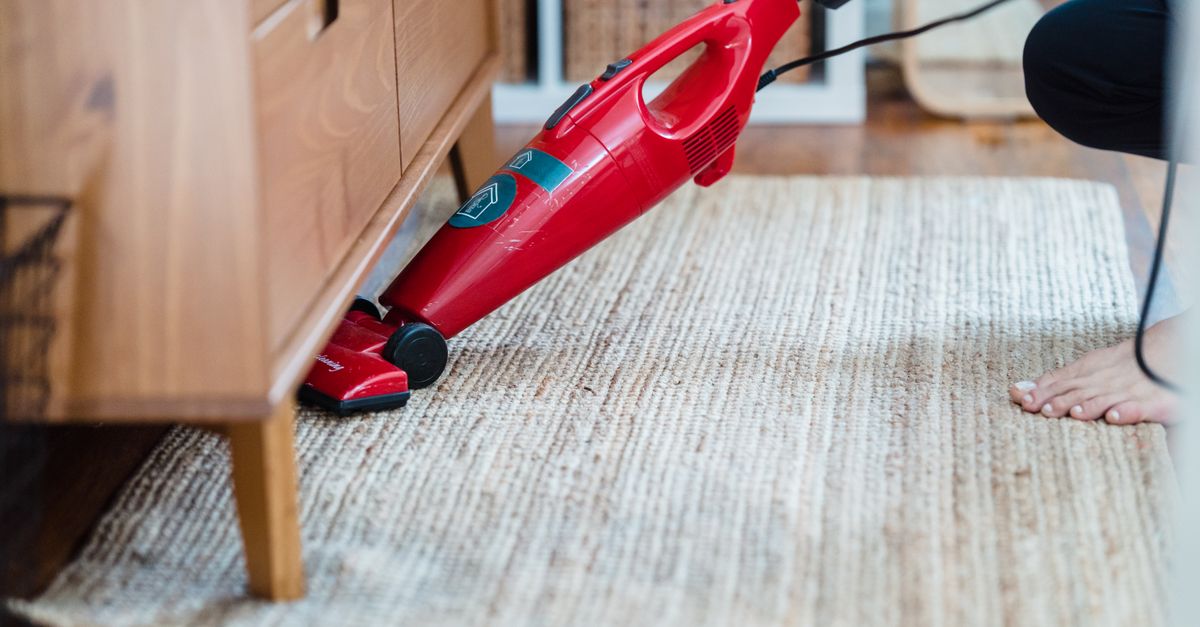
Vacuum your dining room area rug once or twice a week, paying extra attention to the zone directly beneath and around the chairs. Always turn off the rotating beater bar or adjust the vacuum head to a suction-only setting, especially when cleaning wool, handmade, or fringed rugs. A spinning brush roll can snag delicate fibers and unravel fringe tassels. Vacuum in slow, overlapping strokes to lift crumbs and dry soil before they settle into the base of the pile.
Seasonal Rug Rotation
In most dining rooms, certain chairs are used far more often than others—such as the seats closest to the kitchen or the heads of the table. Rotate your area rug 180 degrees every six months. In Utah homes with expansive dining room windows, rotating the rug also balances out sun exposure, preventing uneven fading caused by bright Wasatch sunlight.
Protecting Against Heavy Furniture Indentations
To reduce permanent crushing under table legs, consider placing felt furniture pads or wide caster cups under the table and chair feet. Periodically moving the table just an inch or two during seasonal deep cleaning allows compressed pile fibers to relax and recover.
Handling Spills and Stains: A Safe First-Aid Guide
Accidental spills are inevitable in any dining room. How you react in the first few minutes can mean the difference between a simple spot treatment and permanent fiber discoloration.
The Universal Rule: Blot, Never Rub
When liquids such as wine, sauce, coffee, or juice spill onto your dining rug, immediately grab a clean, dry white cotton towel or paper towels. Gently press the towel into the spill to absorb the moisture. Never scrub or rub the spill vigorously. Rubbing frays pile tips, distorts natural fiber texture, and drives staining liquids deeper into the rug foundation.
Managing Solid Food Spills
If food items like pasta sauce, gravy, or mashed potatoes fall onto the rug, use a dull spoon, butter knife, or spatula to lift away excess solids gently from the outer edges toward the center. Once the bulk is removed, blot remaining moisture with a clean, dry cloth.
Fiber Safety and Caution with Cleaning Chemicals
Never apply harsh household chemicals, laundry detergents, oxygen bleach, or ammonia to area rugs. Natural fibers like wool, silk, and cotton can react negatively to alkaline cleaners, resulting in fiber brittleness, dye bleeding, or permanent color loss. If you use a mild, pH-balanced rug-safe solution, always test it first on a tiny, inconspicuous corner of the rug. For delicate, antique, silk, Persian, Oriental, or handmade wool rugs, home spot treatments carry substantial risks, and having the rug professionally evaluated is the safest approach.
Common Dining Room Rug Mistakes to Avoid
To keep your investment protected, steer clear of these frequent homeowner errors:
- Using High-Pile Shag in the Dining Room: Shag and high-pile rugs trap food crumbs, seeds, and debris deep within long fibers where vacuums cannot reach, creating an unhygienic environment.
- Relying on In-Home Steam Cleaning: In-home carpet steam cleaning machines often inject excessive water and detergent into dense area rugs without sufficient extraction power, leaving the rug damp and risking moisture damage to hardwood floors below.
- Letting Spills Dry Untreated: Sugars, acids, and cooking oils become much harder to remove once they oxidize and bond with the fiber matrix over time.
- Scrubbing the Fringe: Fringe is the structural warp of handmade rugs. Scrubbing fringe with spot cleaners or vacuuming it with a brush roll can destroy the rug's structural integrity.
When to Choose Professional Rug Cleaning
While routine vacuuming and quick spill blotting handle surface dirt, they cannot remove deeply embedded grit, accumulated cooking grease, or stubborn dining stains. Every 12 to 18 months, your dining room rug benefits tremendously from comprehensive professional care.
At Salt Lake City Rug Cleaning, we treat every rug in our specialized, facility-based wash plant. Unlike standard on-site carpet cleaners, our multi-step process includes thorough dry-soil dusting to remove pounds of trapped abrasive dirt, gentle pH-balanced immersion washing tailored to specific fiber types, complete rinsing, temperature-controlled drying, and careful hand-finishing. This thorough process revitalizes natural wool oils, restores vibrant patterns, and purges lingering food aromas without risking damage to delicate dyes or flooring.
If your dining room rug has endured years of family gatherings, dinner parties, or stubborn spots, dedicated professional dining room area rug care will help maintain its beauty and durability for generations to come. We offer convenient pickup and delivery throughout Salt Lake City and surrounding Utah communities, making expert rug care seamless and stress-free.
Frequently Asked Questions