Persian Rug Care: How to Protect and Maintain Hand-Knotted Rugs in Salt Lake City
Hand-knotted Persian rugs are far more than simple floor coverings; they are intricate works of art, historical heirlooms, and valuable investments designed to last for generations. Whether you have inherited an antique Kashan, acquired a finely detailed Tabriz, or purchased a modern geometric Heriz, your Persian rug brings unparalleled craftsmanship and warmth into your home. However, keeping these masterfully woven textiles vibrant and structurally sound requires a thoughtful approach to care. When homeowners need specialized Persian rug cleaning Salt Lake City specialists understand that natural wool, silk accents, and organic vegetable dyes demand delicate, tailored techniques.
Utah presents a distinct set of environmental factors that can influence how fine rugs age. The dry climate along the Wasatch Front, seasonal airborne dust, intense summer sunlight, and winter road salts tracked indoors all interact with hand-spun fibers. By establishing a consistent maintenance routine and understanding how to handle unexpected spills, you can preserve the beauty, texture, and value of your Persian area rugs for decades to come.
Why Hand-Knotted Persian Rugs Require Specialized Care
To understand why Persian rugs need unique attention, it helps to examine how they are constructed. Unlike modern, machine-made synthetic carpets that rely on latex adhesives and synthetic backings, authentic Persian rugs are tied knot by knot on a foundational grid of cotton, wool, or silk warp and weft threads.
- Natural, Breathable Fibers: Most Persian rugs are hand-woven with high-lanolin sheep wool or pure natural silk. These natural proteins are remarkably resilient but sensitive to extreme pH changes, excessive friction, and prolonged moisture.
- Traditional Dyes: Master weavers traditionally use plant-, mineral-, and insect-based dyes, such as madder root, pomegranate rind, and indigo. While these dyes produce rich, nuanced patinas, improper water exposure or aggressive chemical spot cleaners can cause permanent dye bleeding or fading.
- Structural Foundation: The tens of thousands—often hundreds of thousands—of individual hand-tied knots create a dense pile that easily captures dry grit deep near the rug's foundation. Over time, walking across a rug filled with abrasive mineral particles creates a sandpaper effect that cuts through delicate pile yarns.
Everyday Maintenance: Safe Vacuuming and Handling
Regular maintenance is your first line of defense against premature wear. However, everyday cleaning tools designed for wall-to-wall synthetic carpet can cause severe damage if used incorrectly on hand-knotted textiles.
1. Use Suction-Only Vacuuming
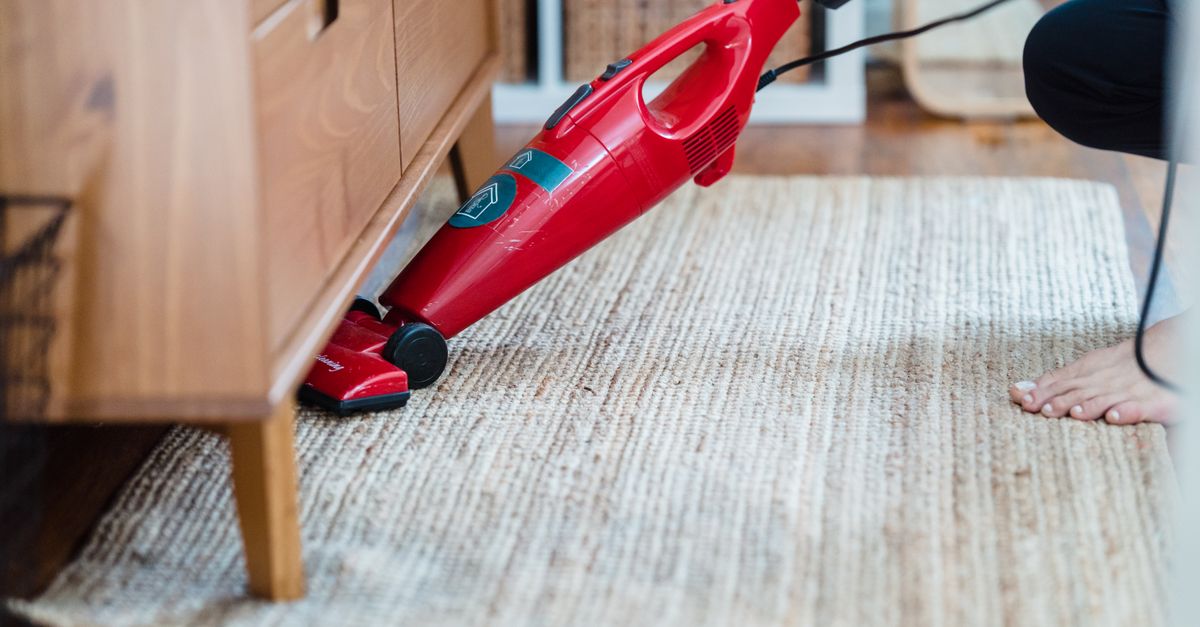
Never run a standard upright vacuum with a spinning beater bar or stiff rotating brush over the face of a Persian rug. Aggressive revolving brushes can catch individual knots, break delicate wool tips, and fray intricate side bindings. Instead, use a canister vacuum with a dedicated bare-floor or suction-only attachment. Vacuum in the natural direction of the nap, which you can easily determine by running your hand across the surface to see which way the pile lays smooth.
2. Keep Vacuum Heads Away from Fringe
The fringe along the ends of your Persian rug is not just decorative; it is the exposed warp threads that form the structural backbone of the entire piece. Rotating vacuum brushes can easily grab fringe tassels, ripping them from the header and unraveling knots. When vacuuming, stop several inches before the fringe, or vacuum across the width of the rug rather than off the fringed ends. To clean fringe, gently comb it by hand or use a soft-bristle hand brush.
3. Rotate Your Rug Periodically
In living rooms, dining rooms, and entryways, traffic patterns naturally concentrate along specific paths. In addition, Utah's high-elevation sunlight often shines unevenly across living spaces. Rotating your Persian rug 180 degrees every six to twelve months ensures that foot traffic and ambient light are distributed evenly, preventing localized wear paths and irregular shading.
4. Invest in Quality Rug Padding
A custom-fitted, dense rug pad is essential beneath every hand-knotted rug. A proper pad acts as a shock absorber against heavy footfalls, prevents buckling and wrinkling, and stops the rug from slipping across hardwood or stone floors. Moreover, a breathable pad provides vital airflow beneath the rug, reducing the friction between the rug's knotted back and the rigid flooring underneath.
Managing Utah Climate Challenges for Fine Area Rugs
Living along the Wasatch Front means navigating distinctive local climate conditions. Here is how Salt Lake City homeowners can protect delicate Persian fibers throughout the seasons:
- Abrasive Dry Dust: Utah's arid atmosphere carries fine mineral dust that settles deep between tight knot structures. Regular dusting and routine professional soil extraction prevent this grit from grinding away the base of your pile.
- Low Indoor Humidity: Winter heating systems significantly drop indoor humidity levels in Salt Lake City homes, causing natural wool fibers to lose their elasticity and become brittle. Maintaining healthy indoor humidity levels (ideally between 35% and 45%) keeps wool fibers supple and resilient.
- UV Sun Exposure: Sunlight at high elevations contains strong ultraviolet radiation that can gradually bleach vibrant organic dyes. Position rugs away from direct, unshaded window glare, or use UV-filtering window films and draperies to diffuse direct midday rays.
Spill First-Aid: What to Do (and What Never to Do)
Accidents happen, whether from an overturned glass of water, coffee, or a pet misbehavior. Acting quickly and calmly is critical to preventing a spill from becoming a permanent stain.
Immediate First-Aid Steps
- Blot Immediately: Place a clean, dry, un-dyed white cotton towel or paper towel directly over the spill. Apply firm downward pressure to absorb as much liquid as possible. Work from the outside edges of the spill toward the center to avoid spreading the moisture.
- Never Scrub or Rub: Rubbing back and forth frays the wool fibers, distorts the pile texture, and pushes liquid deep into the cotton warp and weft foundation. Always blot with straight downward pressure.
- Dilute Conservatively: If a sticky or dark spill remains, dab a tiny amount of cool water onto a clean cloth and gently press it against the spot. Avoid soaking the rug through to the floor.
- Elevate and Dry: Place a dry towel underneath the affected section and elevate the rug slightly with a non-staining support to allow air circulation above and below the area. Use a fan to speed up drying.
Common Persian Rug Mistakes Homeowners Make
Many well-intentioned homeowners accidentally cause irreparable harm to their prized rugs by using the wrong techniques. Be sure to steer clear of these frequent mistakes:
- Using Supermarket Carpet Cleaners: Off-the-shelf stain removers, foaming carpet sprays, and oxygen-based cleaners often contain harsh bleaching agents, high-alkaline detergents, or optical brighteners that strip natural wool oils and bleach vegetable dyes.
- In-Home Steam Cleaning: Hot water extraction systems designed for wall-to-wall carpeting push scalding water and heavy chemical detergents into delicate rugs without properly flushing them out, risking dye bleeding, fiber shrinking, and foundation dry rot.
- Scrubbing Stains with Baking Soda or Vinegar: While popular online, abrasive powders can work their way into knot clusters, and acidic or alkaline home mixtures can destabilize sensitive organic dyes.
- Ignoring Pet Accidents: Pet urine contains uric salts that crystallize inside the foundation. Left untreated, urine causes severe dye migration, dry rot, and stubborn odors that standard surface cleaning cannot eliminate.
Why Professional Persian Rug Cleaning in Salt Lake City Is Essential
While routine vacuuming and quick spill blotting maintain surface appearance, they cannot remove the dense soil that settles deep into the rug's knot foundation. Every one to three years—depending on household activity, children, and pets—your hand-knotted textiles require comprehensive, facility-based care.
At a specialized rug care facility, every Persian rug undergoes a meticulous, multi-step restoration wash:
- Pre-Cleaning Inspection and Dye Testing: Technicians inspect the rug's origin, fiber composition, knot stability, prior repairs, and colorfastness before any moisture is introduced.
- Mechanical Dust Removal: Specialized harmonic dusting equipment gently dislodges pounds of dry, impacted sand, grit, and soil that no household vacuum could ever reach.
- pH-Balanced Full-Immersion Washing: The rug is gently washed by hand in a controlled wash bath using cool water and wool-safe, residue-free cleansers tailored to delicate dyes.
- Thorough Rinsing and Centrifugal Extraction: Fresh water rinses away all embedded contaminants, followed by rapid, low-stress water extraction to ensure colors never bleed.
- Climate-Controlled Drying: The rug is hung or laid flat in a temperature- and humidity-controlled drying room with optimal airflow to ensure rapid, complete drying without mildew or stiffness.
- Final Detailing and Grooming: Fringes are gently detailed by hand, the pile is groomed in its natural direction, and a final quality inspection ensures exceptional results.
Protect Your Heirlooms with Salt Lake City Rug Cleaning
Your Persian rugs are lasting treasures that deserve the highest level of craftsmanship and care. When you choose specialized Persian rug cleaning Salt Lake City homeowners can trust that their valuable hand-woven heirlooms will be treated with the utmost respect, skill, and precision. Whether your rug needs routine maintenance, delicate stain treatment, or seasonal refreshing, professional facility care ensures its colors remain brilliant and its foundation stays strong for generations to come.
Schedule your free pickup or contact Salt Lake City Rug Cleaning today to request an instant quote and give your handmade rugs the expert care they deserve.
Frequently Asked Questions