Wool Rug Care: The Complete Maintenance Guide for Salt Lake City Homes
Wool area rugs are among the most cherished floor coverings in Utah residences, prized for their natural resilience, luxurious texture, and timeless aesthetic appeal. Whether you own a modern hand-tufted wool rug, a flat-weave kilim, or an heirloom hand-knotted treasure, understanding proper wool rug care Salt Lake City homeowners can rely on is vital to safeguarding your investment. Wool is a durable, natural protein fiber with unique self-protecting properties, but our distinct mountain climate, seasonal weather shifts, and household foot traffic present specific challenges that require thoughtful, routine attention.
Taking care of a wool rug does not need to be complicated or overwhelming. By adopting gentle maintenance habits, handling accidental spills with immediate first-aid techniques, and scheduling routine facility cleanings, you can keep your wool rugs vibrant, soft, and structurally sound for decades. This comprehensive guide details everything you need to know about caring for wool rugs in the Salt Lake Valley and throughout Utah.
Why Wool Rugs Require Specialized Care
Unlike synthetic carpet materials made from nylon or polyester, wool is a natural animal fiber composed of keratin proteins. Each individual wool fiber features an outer cuticle layer coated with natural lanolin wax. This built-in barrier provides natural water repellency, stain resistance, and elasticity, allowing crushed pile to bounce back naturally underfoot.
However, these same organic properties make wool sensitive to harsh treatments. High-alkaline detergents, excessive heat, vigorous scrubbing, and prolonged dampness can strip natural oils, degrade protein bonds, weaken the backing foundation, and cause unstable dyes to bleed. In Utah, our unique high-desert environment introduces additional elements, including dry winter air that can leave fibers brittle and fine airborne dust that settles deep within the rug foundation.
Weekly Maintenance: Safe Vacuuming Techniques for Wool Rugs
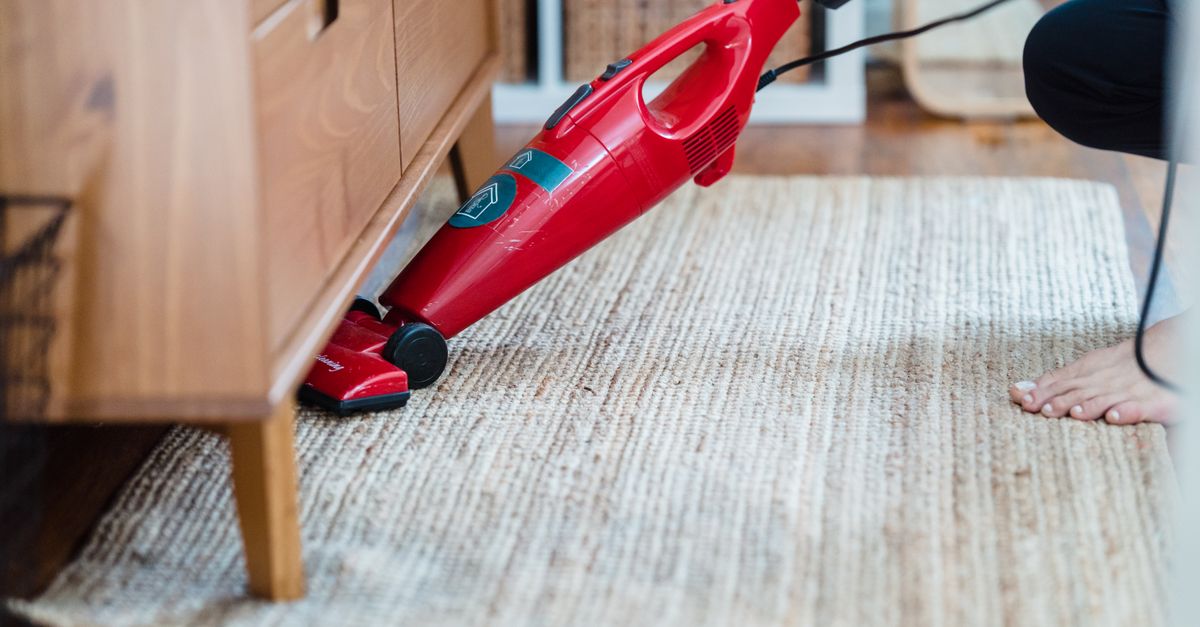
Routine vacuuming is the single most effective way to protect your wool area rugs from premature wear. Abrasive soil, gravel from winter sidewalks, and fine dust act like tiny blades when walked upon, cutting into wool fibers at the base of the pile. Establishing a consistent vacuuming routine keeps these particles from embedding deep into the weave.
- Disengage the Beater Bar: Rotating brush rollers and aggressive beater bars are designed for synthetic wall-to-wall carpeting, not delicate wool rugs. The stiff bristles can pull, snag, and fuzz natural wool fibers, causing rapid pile distortion. Always use suction-only mode or attach a handheld upholstery wand.
- Vacuum Across the Pile: Move the vacuum wand smoothly across the width of the rug rather than pushing directly against the natural lay of the pile. This lifts surface grit without tugging at the knots or tufts.
- Protect the Fringe: Never run your vacuum nozzle directly over the fringe tassels. The rotating components or strong suction can instantly grab and unravel delicate edge bindings and warp threads. Vacuum up to the border, and gently hand-comb or shake the fringe to remove loose dust.
- Clean Beneath the Rug: Every few months, flip the rug back and vacuum the hard floor underneath as well as the rug pad. Dust sifted through the weave can accumulate beneath the backing and cause friction against your flooring.
Understanding Wool Shedding and Sprouting
Homeowners often worry when a newly purchased wool rug begins shedding large clumps of fluff during the first few weeks of use. In nearly all cases, shedding is a completely normal characteristic of natural staple wool fibers. Short fiber fragments left behind during the spinning and shearing process naturally work their way to the surface as the rug settles into your living space.
To manage shedding, vacuum gently once or twice a week with suction only. Avoid aggressive brush attachments in an attempt to stop shedding faster, as this will only loosen more fibers. Over several months of regular use and gentle care, shedding will gradually diminish.
You may also notice individual wool tufts poking above the uniform surface of your rug, a phenomenon known as sprouting. Sprouting occurs when yarn strands tied within the foundation loosen slightly with foot traffic. Never pull or yank a sprouting yarn, as doing so can unravel surrounding knots and create an unsightly bare spot. Instead, carefully trim the extended strand level with the surrounding pile using sharp fabric scissors.
Emergency Spill First Aid for Wool Area Rugs
Accidents happen, whether it is a spilled cup of morning coffee, a dropped bowl of soup, or a pet mishap. Because wool fibers are naturally coated with lanolin, liquids tend to bead on the surface for a brief window before absorbing. Acting quickly with the right approach will prevent a temporary spill from becoming a permanent stain.
- Blot Immediately, Never Rub: Fold a clean, dry, white cotton towel or a stack of unprinted paper towels and press firmly against the spill to absorb as much liquid as possible. Rubbing or scrubbing forces the liquid deep into the core of the wool fiber and can permanently fray the pile surface.
- Dilute with Cool Water: Lightly dampen a fresh white cloth with a minimal amount of cool water and gently dab the spot from the outside edges inward toward the center to avoid spreading the mark. Never saturate the rug or allow water to soak through to the backing.
- Avoid Store-Bought Spot Removers: Standard supermarket carpet cleaners and stain removers often have high pH levels, optical brighteners, or chemical bleaching agents that permanently bleach wool dyes and dissolve protein fibers.
- Air Dry Completely: Elevate the damp section slightly using a small block or bowl to allow air to circulate beneath both sides of the rug until it is completely dry. Point a small household fan at the area to accelerate drying.
Protecting Wool Rugs in Salt Lake City's Climate
Salt Lake City's climate presents specific environmental factors that affect natural wool fibers throughout the year:
Dry Indoor Air and Fiber Elasticity
During Utah's chilly winters, central heating systems drop indoor relative humidity levels significantly. Extremely dry air causes wool fibers to lose their natural moisture content, making them brittle and more susceptible to breakage under heavy foot traffic. Maintaining indoor humidity between 35% and 50% helps preserve fiber suppleness and extends the life of your rug.
Fine Mountain Dust and Seasonal Soil
From summer dust storms blowing across the Great Basin to winter road slush and traction sand tracked in on boots, local grit easily finds its way onto living room and dining room rugs. Using high-quality entry mats at all exterior doorways, maintaining a shoes-off policy indoors, and rotating your rugs 180 degrees every six months ensures even wear and distributes sunlight exposure evenly across the pattern.
Clothes Moth and Pest Prevention
Clothes moth larvae feed on natural keratin proteins found in wool, especially in quiet, undisturbed areas beneath heavy furniture, under sofas, or inside dark closets. Regularly moving furniture, vacuuming hidden sections, and keeping your wool rugs clean are the most effective deterrents against moth infestations.
Common Wool Rug Care Mistakes to Avoid
Even well-intentioned homeowners can inadvertently cause irreversible damage to valuable wool rugs by using improper cleaning methods. Keep these crucial cautions in mind:
- Never Use Hot Water Extraction (Steam Cleaning) In-Home: In-home carpet cleaning wands spray hot water under high pressure into your rug. On wool, excess moisture and heat can shrink the foundation, cause dye migration, and trap moisture beneath the backing against your hardwood floors, leading to mold and dry rot.
- Avoid Baking Soda and Vinegar Concoctions: DIY cleaning trends often suggest applying baking soda paste or vinegar to rug stains. Baking soda particles are abrasive, highly alkaline, and difficult to remove fully from dense wool pile, while unbuffered vinegar can strip natural oils.
- Do Not Skip the Rug Pad: A dense, breathable rug pad provides essential cushioning, stops dangerous slipping, prevents floor scratching, and allows the rug foundation to breathe properly.
When to Schedule Professional Facility Rug Washing
While routine vacuuming and careful spot management handle day-to-day maintenance, every wool area rug requires periodic professional washing to remove deep-seated grit, embedded allergens, and trapped odors that regular household tools cannot reach. For most Salt Lake City homes, professional cleaning every 12 to 18 months is ideal.
True professional wool rug care involves specialized in-plant facility immersion washing rather than surface-only carpet cleaning. In a dedicated facility, your wool rug undergoes careful fiber testing, mechanical dry-soil removal (dust badgering), gentle pH-neutral submersion washing, thorough freshwater rinsing to remove all soap residues, and rapid temperature-controlled drying. This gentle, comprehensive approach rejuvenates the natural lanolin, brightens colors, restores softness, and protects your rug's structural integrity.
If your wool rug has experienced pet accidents, heavy foot traffic, or years of accumulated Wasatch dust, investing in professional care is the safest way to maintain its beauty. For experienced, fiber-safe wool rug care Salt Lake City residents trust, contact Salt Lake City Rug Cleaning to schedule a professional evaluation and convenient local pickup.
Frequently Asked Questions