How to Protect and Care for Dining Room Rugs: A Complete Homeowner Guide
A beautiful area rug under the dining table anchors the room, adds warmth, softens acoustics, and makes family gatherings more inviting. However, dining room rugs face a distinct set of daily challenges that living room or bedroom rugs rarely encounter. Between sliding chair legs, dropped food, beverage spills, and the concentrated weight of a heavy dining table, maintaining an area rug in this high-activity space requires thoughtful care. Mastering proper dining room rug care ensures that your investment remains vibrant, clean, and structurally sound for years to come.
Whether you have a hand-knotted Oriental rug, a plush wool piece, or a resilient flatweave in your Salt Lake City dining room, proactive maintenance makes all the difference. In Utah homes, where seasonal entertaining brings family and friends together around the dinner table, knowing how to protect rug fibers from food oils, friction, and dirt accumulation is essential. Here is a practical, professional guide to keeping your dining room rug in pristine condition.
Why Dining Room Area Rugs Experience Unique Wear
Understanding the specific stressors placed on a dining room rug helps you address minor issues before they become permanent fiber damage. The primary causes of wear in dining spaces include:
- Chair Friction and Abrasion: Every time family members or guests pull out a chair or push it back in, the chair legs scrape against the rug surface. Over time, this repetitive back-and-forth motion can wear down pile, fray edges, and weaken warp threads.
- Food and Liquid Spills: Unlike clear water spills, dining room accidents typically involve organic matter, cooking oils, wine, acidic sauces, or dairy. These substances can cling to rug fibers, attract dust, and cause discoloration if not addressed promptly.
- Heavy Point Pressure: Dining tables and buffets exert significant downward pressure on small points of contact. Over months and years, this concentrated weight can crush rug pile and stretch backing materials.
- Trapped Food Particles and Grit: Crumbs naturally fall to the floor during meals. If allowed to settle deep into the rug base, fine particles act like miniature sandpaper when walked upon, abrading the foundation fibers.
Choosing the Right Size and Rug Pad for Dining Spaces
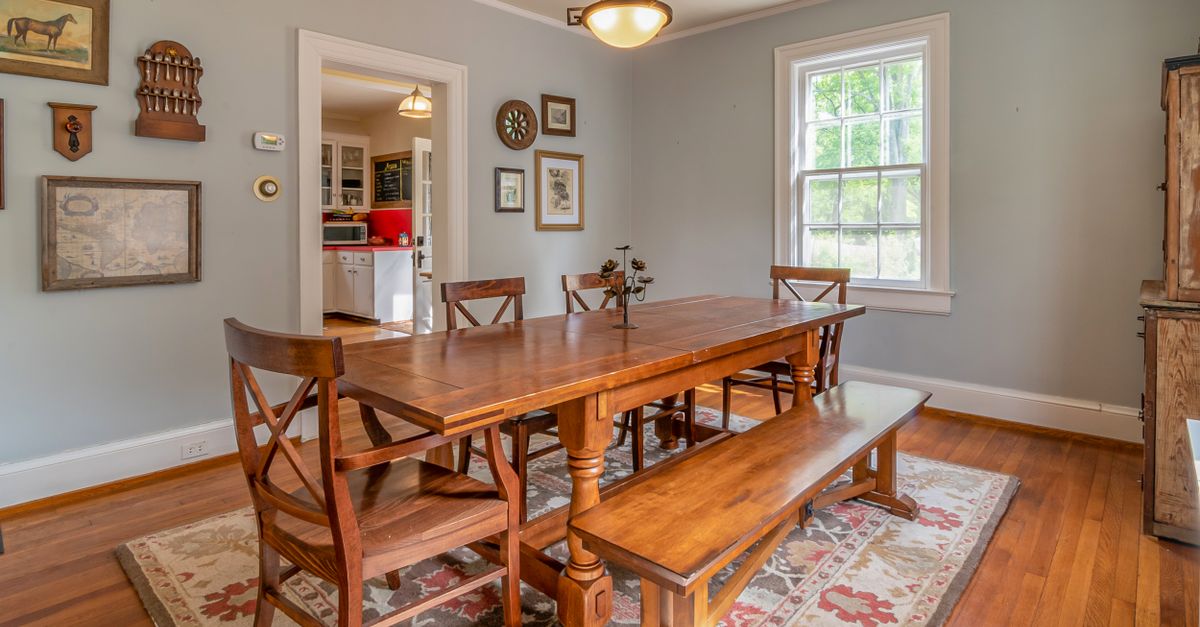
Effective dining room rug protection begins with proper sizing and foundation support. A common homeowner mistake is selecting a rug that is too small for the dining area. Ideally, your rug should extend at least 24 to 30 inches beyond all sides of the dining table. This allows dining chairs to be pulled out and occupied without the back legs slipping off the edge of the rug, preventing chair legs from catching and bending the rug binding.
In addition to proper dimensions, a high-quality, dense rug pad is crucial beneath any dining room rug. A firm, low-profile rug pad accomplishes several critical goals:
- Prevents Slipping and Bunching: When chairs slide, a good pad keeps the rug firmly anchored to hardwood or tile flooring, preventing ripples that cause tripping hazards.
- Absorbs Point Pressure: Dense padding redistributes the weight of chair legs and table posts, cushioning the rug foundation and reducing pile crushing.
- Protects Underlying Floors: Rough rug backings can scratch fine wood finishes under constant friction. A dual-surface pad acts as a protective barrier.
- Improves Airflow and Vacuuming: Adequate spacing allows suction to pull out deeply embedded crumbs more effectively during routine cleaning.
Daily and Weekly Maintenance for Dining Room Rugs
Consistent, gentle maintenance prevents dining room soil from becoming deeply embedded in the weave. Establishing a weekly routine protects fibers and keeps the dining area looking its best.
Safe Vacuuming Techniques
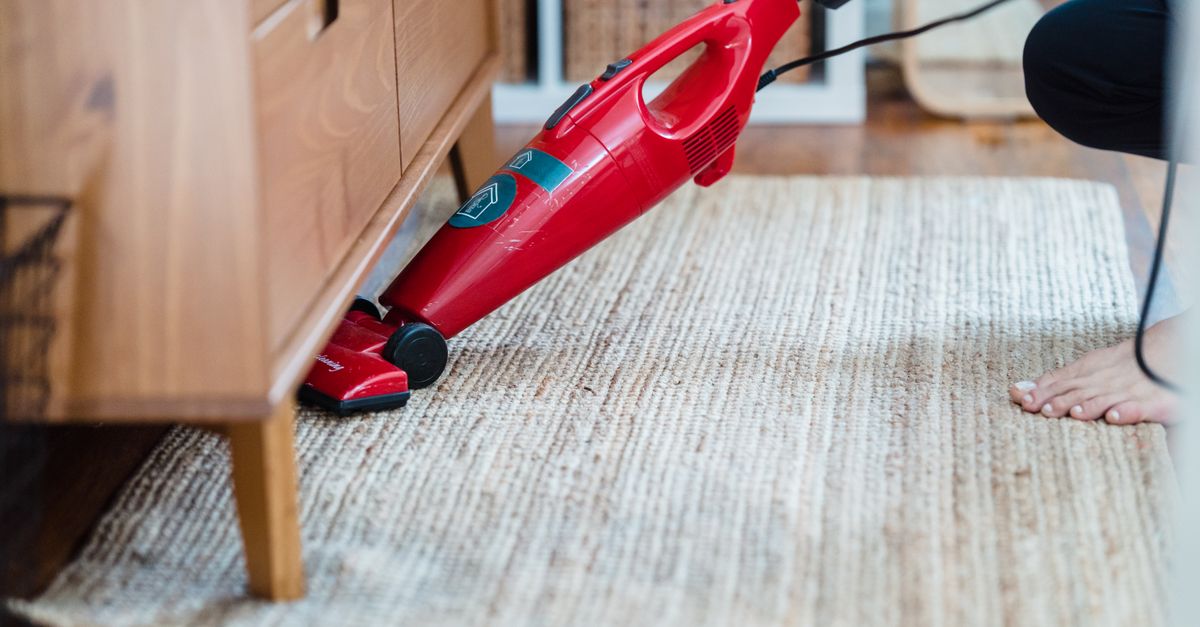
Vacuum your dining room rug at least once or twice a week, paying extra attention to the areas directly under and around chairs. When vacuuming, follow these guidelines:
- Disengage the Beater Bar: Rotating bristle bars can pull loops, snag handmade fringes, and cause excessive fuzzing on wool and natural fibers. Use suction-only mode or adjust the vacuum head to a higher pile setting.
- Move Chairs Aside: Rather than vacuuming around chair legs, slide chairs completely off the rug periodically to access trapped crumbs and debris underneath.
- Protect Delicate Fringe: Never run a vacuum directly over decorative fringe edges, as the vacuum can snag and tear foundation strands. Vacuum across the rug width, stopping before the fringe.
Routine Rug Rotation
Rotate your dining room rug 180 degrees every six to twelve months. In most households, certain chairs are used more frequently than others, and direct sunlight from dining room windows may strike only one portion of the rug. Regular rotation distributes chair movement, foot traffic, and natural light evenly across the entire surface.
How to Handle Food and Drink Spills Safely
Spills are inevitable in dining spaces, but knowing how to respond quickly prevents stains from setting. The golden rule of rug first aid is simple: blot, never rub.
Step 1: Remove Excess Solids
If food drops on the rug, gently scoop up solid pieces using a spoon, dull butter knife, or clean cardboard edge. Work from the outside of the spill toward the center to avoid spreading the material further across the rug pile.
Step 2: Blot Liquid Spills Immediately
Place a clean, dry white cotton towel or unprinted paper towel directly over the spill. Apply firm downward pressure with your hands to absorb as much liquid as possible. Rotate to dry sections of the towel and continue blotting until no more moisture transfers.
Step 3: Lightly Clean with Cool Water and Mild Detergent
For water-soluble stains like juice or light sauces, dampen a fresh white cloth with a solution of lukewarm water and a few drops of mild, pH-neutral dish soap. Gently press the cloth into the spot, working from the outer edges inward. Follow immediately with a cloth dampened with plain cool water to rinse out any soap residue, then blot thoroughly dry with a clean towel.
Step 4: Allow Thorough Air Drying
Never leave a dining rug damp on hardwood or stone floors. Elevate the treated section slightly with a clean object to allow air circulation beneath the rug, or direct a fan toward the area until completely dry.
Protecting Wool, Silk, and Handmade Dining Rugs
Many homeowners choose exquisite handmade wool or antique Persian rugs for their formal dining rooms. Natural fibers require extra care when exposed to dining room spills:
- Avoid Hot Water and Steam: High temperatures can cause wool fibers to shrink, distort, or lock in protein-based stains like gravy, milk, and meat juices.
- Never Use Harsh Chemicals: Store-bought carpet spotters often contain high-alkaline detergents, optical brighteners, or bleaching agents that can permanently strip natural dyes or weaken delicate wool lanolin and silk proteins.
- Test Products in a Hidden Spot: Always test any gentle spot-cleaning solution on an inconspicuous corner or back edge of the rug to verify colorfastness before applying it to the face fibers.
- Avoid Over-Wetting: Excessive moisture can soak into the thick cotton warp foundation, leading to mildew, dye bleeding, or structural browning.
Preventing Furniture Scrapes and Pile Crushing
To keep heavy dining room furniture from damaging your rug over time, implement these simple preventative measures:
- Install Smooth Felt Furniture Glides: Attach heavy-duty felt glides or smooth slider pads to the bottom of every chair leg. This reduces abrasive friction when chairs are pulled out and pushed in.
- Use Broad Furniture Cups for Table Legs: Wide, smooth castor cups under table posts help distribute heavy point loads over a broader surface area.
- Revive Crushed Pile Gently: If furniture has created deep impressions in your rug, lightly dampen a clean cloth with cool water and lay it over the dent for a few minutes. Remove the cloth and gently lift the fibers upward using a soft-bristled brush or your fingertips. Avoid applying hot irons or excessive moisture.
Common Dining Room Rug Mistakes to Avoid
Avoiding common maintenance errors helps preserve the beauty and structural integrity of your dining room rug:
- Scrubbing Spills Aggressively: Vigorous scrubbing pushes food particles deeper into the weave and frays fiber tips, creating permanent fuzzy patches.
- Using Ammonia or Bleach: These harsh chemicals strip organic dyes and dissolve the natural protective coatings of wool and silk.
- Choosing a Rug Without a Pad: Operating dining chairs over an unpadded rug accelerates backing abrasion and floor scratches.
- Ignoring the Back of the Rug: Spilled liquids often seep completely through to the rug backing and floor pad, creating hidden odor and residue that surface wiping cannot reach.
When to Schedule Professional Dining Room Rug Cleaning
While routine vacuuming and careful spot cleaning keep surface debris under control, dining room rugs accumulate fine airborne cooking grease, tracked-in grit, and microscopic food residues that household vacuums cannot extract. Over time, these residues can dull colors, stiffen fibers, and attract more dirt.
Having your dining room area rug professionally cleaned every 12 to 18 months restores its natural luster, thoroughly sanitizes deep fibers, and removes embedded soils that shorten rug lifespan. Professional facility cleaning is especially crucial for hand-knotted wool, antique, or delicate specialty rugs, where custom submersion washing, controlled dusting, and temperature-monitored drying are necessary to protect fiber health.
Expert Dining Room Rug Care in Salt Lake City
At Salt Lake City Rug Cleaning, we understand the specialized care that dining room area rugs require. Our dedicated facility utilizes a gentle, multi-step rug washing process tailored to the specific fiber type, construction, and condition of each rug. We carefully remove deep-set dust and soil, treat stubborn spots with fiber-safe solutions, and dry each piece under controlled airflow to restore texture and vibrance.
Whether you need routine maintenance or restorative care after a season of entertaining, we offer convenient pickup and delivery throughout Salt Lake City and the Wasatch Front. Request an instant quote or schedule a pickup today to keep your dining room area rug looking fresh, clean, and beautiful for every family gathering.
Frequently Asked Questions