How to Clean and Protect Entryway Rugs in Salt Lake City Homes
Your entryway is the first space guests experience when entering your home, and it also serves as the primary defense against the outdoor elements. In Utah, entryways endure everything from fine Wasatch Front dust and dry summer soil to winter slush, gravel, and melting snow. Because of this relentless traffic, your entryway rugs work harder than almost any other textile in your living space. Keeping them fresh, attractive, and intact requires a strategic approach to entryway rug cleaning and daily maintenance.
Without proper care, abrasive grit settles deep into the rug pile, where everyday footsteps grind the sharp particles against delicate foundation fibers. Over time, this friction cuts through wool yarns, damages rug backing, and creates permanent wear patterns. Fortunately, implementing consistent upkeep habits and knowing when to seek specialized care can preserve the beauty and structural integrity of your favorite rugs for decades.
Why Entryway Rugs Face Unique Challenges in Utah
Salt Lake City homeowners face distinctive environmental conditions that directly impact interior textiles. The arid mountain climate generates substantial airborne dust and dry soil during the warmer months, while winter brings a mix of de-icing salts, road grit, and wet snow. When family members and visitors step across the threshold, entryway rugs immediately capture these abrasive materials.
Unlike living room rugs or bedroom rugs that mainly experience sock or bare-foot traffic, entryway area rugs withstand heavy outdoor shoe contact. The combination of friction, moisture, and ground-in particles accelerates fiber breakdown. Recognizing these regional factors helps you select the right maintenance routine before minor surface soil turns into deep structural wear.
Daily and Weekly Entryway Rug Maintenance
Consistent, low-effort maintenance is the most effective way to protect entryway rugs between professional washings. By removing loose soil before it works its way down to the foundation yarns, you prevent fiber abrasion and maintain vibrant colors.
- Establish an Exterior Trap: Place a sturdy bristled mat outside your front door to catch coarse debris, gravel, and mud before anyone steps inside.
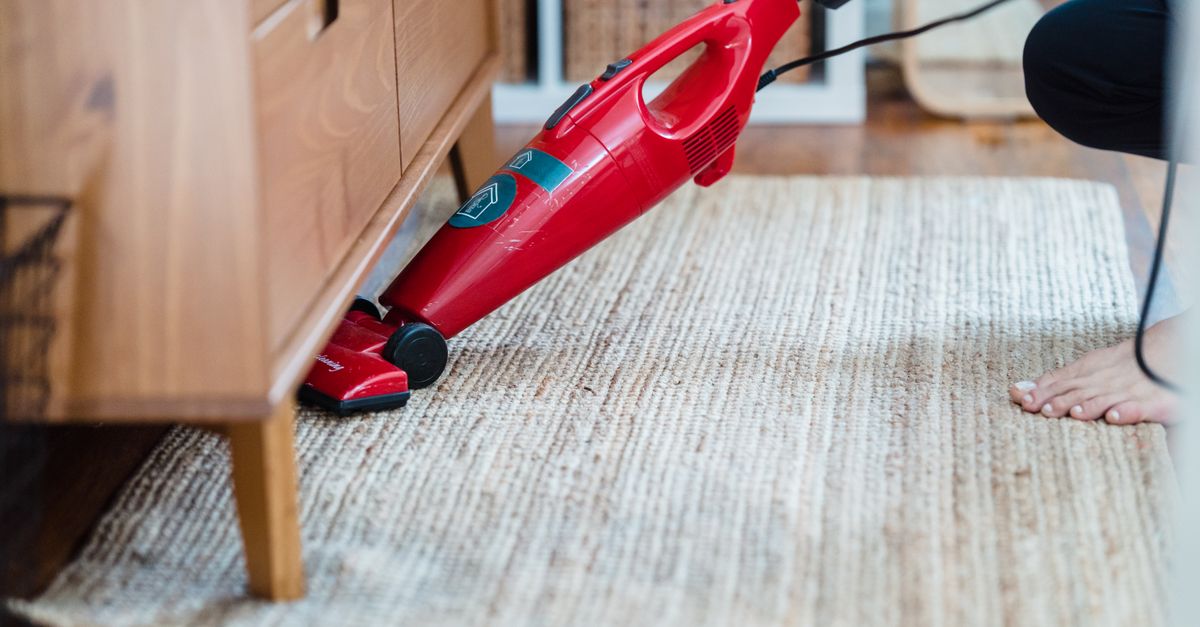
- Implement a Gentle Vacuum Routine: Vacuum your entryway rug at least twice weekly using suction only. Avoid using aggressive rotating brush rollers or beater bars on woven edges or fringe, as they can snag and unravel delicate binding.
- Flip and Vacuum the Backing: Periodically turn the rug upside down and run suction across the back. This vibrates deeply embedded sand and dry silt out of the pile base so it can be swept away easily.
- Rotate Every Few Months: Foot traffic patterns are rarely uniform. Rotating your rug 180 degrees every two to three months distributes wear evenly across the surface and prevents one specific walking path from fading or flattening prematurely.
Choosing and Caring for the Right Rug Materials
Different fiber types require distinct care protocols. When selecting or caring for an entryway rug, understanding fiber characteristics ensures safe cleaning practices:
Wool Entryway Rugs
Wool is naturally resilient, durable, and stain-resistant thanks to its natural lanolin coating. Flat-weave kilims or low-pile wool rugs make exceptional entryway coverings because they trap dirt effectively without matting easily. When spot cleaning wool, use only lukewarm water, minimal moisture, and pH-balanced wool-safe detergents. Never apply bleach, ammonia, or high heat to wool fibers.
Durable Synthetic Blends
High-quality polypropylene, nylon, and polyester rugs offer excellent moisture resistance and withstand frequent spot cleaning. They are popular choices for busy family entryways and mudrooms. However, synthetic fibers tend to bond with oil and grease from shoe soles, requiring periodic deep washing to restore fiber clarity.
Delicate and Specialty Fibers
Natural fibers such as silk, viscose, rayon, or delicate vintage textiles should generally be avoided in primary entryways. These fibers absorb moisture readily, water-spot easily, and have low abrasion resistance. If you display an antique or specialty rug in a foyer, ensure it is placed in an area that does not receive direct outdoor foot traffic.
Step-by-Step Spill and Mud Management
Accidents and messy footprints are inevitable in an active Utah home. When mud, wet slush, or liquid spills land on your rug, follow these practical steps to prevent setting a permanent stain:
- Let Wet Mud Dry Completely: If thick mud is tracked across the rug, resist the urge to wipe it while it is wet. Wiping wet mud pushes soil deeper into the foundation. Allow it to dry into a brittle crust, gently crumble the surface with a spoon, and vacuum the loose particles away with suction.
- Blot, Never Rub: For liquid spills or damp residues, immediately press a clean, white cotton or microfiber towel against the area. Always blot from the outer edge inward to prevent spreading the moisture. Scrubbing or rubbing breaks rug fibers and causes unsightly pile distortion.
- Apply Light Moisture Sparingly: Lightly dampen a cloth with cool water and a drop of gentle, neutral dish liquid. Dab the stained area carefully, then blot dry with clean paper towels.
- Accelerate Airflow: Elevate the damp section of the rug slightly to promote airflow underneath. Use a portable fan to dry both the face fibers and the backing quickly, preventing moisture buildup.
The Essential Role of a Quality Rug Pad
An entryway rug without a proper rug pad is both a safety hazard and vulnerable to premature wear. Rugs placed over hardwood, tile, or stone flooring tend to slide, bunch, and wrinkle under active foot traffic. A dense, dual-surface rug pad locks the rug securely in place, preventing dangerous slips for family members and guests.
Beyond safety, rug pads act as a critical shock absorber. Every time someone steps onto the rug, the pad cushions the impact, protecting the rug knot structure from crushing against hard subfloors. Furthermore, a quality pad prevents trapped dirt from grinding against your expensive hardwood finish beneath the rug.
Common Entryway Rug Care Mistakes to Avoid
Many homeowners inadvertently damage their entryway rugs through well-intentioned cleaning habits. Keep these common mistakes in mind:
- Over-Saturating with Water: Soaking an entryway rug with garden hoses or deep-soak carpet machines traps moisture inside dense backings, leading to foul odors, dry rot, and dye bleeding.
- Using Harsh Household Chemicals: Supermarket carpet spot removers, oxygen bleaches, and acidic vinegar mixtures can strip protective fiber coatings, cause dye bleeding, and leave sticky residues that rapidly attract new dirt.
- Ignoring the Subfloor: Allowing moisture or fine grit to accumulate under a damp entryway rug can discolor hardwood floors and damage grout lines. Always inspect and wipe the floor beneath your rug pad during regular cleanings.
- Dragging Heavy Furniture Across Rugs: Moving entryway consoles or benches across rug surfaces can tear side bindings and crush pile structure. Always lift furniture when repositioning entryway pieces.
When to Choose Professional Entryway Rug Cleaning
While routine vacuuming and prompt blotting keep surface soil under control, entryway rugs eventually accumulate deeply packed grit and oils that household tools cannot dislodge. Standard in-home carpet cleaning wands cannot thoroughly flush grit from dense rug backing and often leave excess moisture trapped inside the weave.
Professional in-plant rug cleaning provides a comprehensive, multi-step wash specifically designed for area rugs. Specialist facilities use dusting machinery to vibrate pounds of dry sediment out of the foundation yarns before submerging the rug in customized, pH-balanced wash baths. Controlled temperature drying rooms ensure thorough moisture extraction, preserving fiber strength, vibrancy, and soft texture.
Protect Your Home's First Impression
Maintaining a clean, welcoming entryway sets the tone for your entire home while safeguarding your flooring investment. By applying proactive care routines, using protective rug padding, and addressing spills promptly, your entryway rugs can handle busy Utah lifestyles with elegance and longevity.
When high-traffic dirt, stubborn spots, or seasonal grit require deeper attention, Salt Lake City Rug Cleaning is here to restore your rugs with expert fiber-safe care. Contact our local team today to schedule convenient pickup and delivery throughout the Wasatch Front, or request an instant online quote to give your entryway rugs the professional care they deserve.
Frequently Asked Questions