How to Fix and Prevent Furniture Marks on Area Rugs
Rearranging the living room or moving heavy sofas, dining tables, and bookshelves is one of the quickest ways to refresh your home. However, lifting a heavy piece of furniture often reveals an unsightly surprise beneath: deep, compressed indentations where the furniture legs have pressed into the rug fibers. For homeowners across Salt Lake City and the Wasatch Front who invest in fine wool, silk, or high-density area rugs, these deep impressions can feel like permanent damage.
Fortunately, most furniture marks on area rugs are completely reversible when addressed with the proper technique. Understanding how rug fibers react to sustained compression—and knowing which restoration methods are safe for your specific rug type—allows you to revive crushed pile while protecting the integrity of delicate dyes and hand-knotted foundations.
Why Heavy Furniture Crushes Rug Fibers
When heavy furniture sits in the same position for months or years, the concentrated weight forces the vertical pile yarns to bend flat against the rug's backing. Over time, the natural crimp and elasticity of the fibers are temporarily locked into a flattened state. In Utah's arid climate, indoor air is often dry, which causes natural fibers like wool to lose some of their natural flexibility and hold compressions more stubbornly.
While synthetic fibers like nylon and polyester eventually spring back with minimal assistance, natural fibers such as wool, silk, and cotton require careful moisture and gentle manipulation to relax the crushed yarn structure.
Safe DIY Methods to Lift Furniture Indentations
Restoring crushed pile requires relaxing the fibers so they can regain their natural upright posture. Here are three safe, step-by-step methods you can perform at home.
Method 1: The Damp Cloth and Warm Iron Technique (Best for Wool and Synthetics)
This method uses controlled moisture and gentle heat to relax compressed fibers without soaking the rug foundation:
- Moisten a clean white cotton towel: Dampen a clean, lint-free white cloth or towel with clean water, wringing it out thoroughly so it remains damp rather than wet.
- Cover the indentation: Place the damp cloth directly over the crushed furniture mark.
- Apply gentle steam heat: Set a household clothing iron to a medium steam setting. Hold the iron slightly above the towel, lightly pressing for 15 to 30 seconds. Never allow the bare iron surface to touch the rug directly.
- Gently lift the fibers: Remove the cloth and immediately use the edge of a clean coin, a spoon bowl, or a soft-bristled brush to gently lift and rake the pile upward.
- Allow complete drying: Ensure adequate air circulation in the room so the damp spot dries completely.
Method 2: The Garment Steamer Approach (Best for Delicate and Dense Piles)
If you have a handheld garment steamer, you can release the fibers with precise control:
- Hold the steam nozzle 4 to 6 inches away from the rug surface.
- Direct gentle bursts of steam across the dented area for 10 to 15 seconds to soften the fibers.
- Use your fingers or a soft brush to groom the pile into its natural direction.
- Avoid holding the steam source in one spot, which can over-saturate natural fibers or loosen glued backings on tufted rugs.
Method 3: Gentle Fluffing and Vacuuming
For shallow impressions or newer rugs, simple physical agitation is often enough:
- Spritz the indentation very lightly with a fine mist of distilled water.
- Work a soft-bristled utility brush across the pile against the grain.
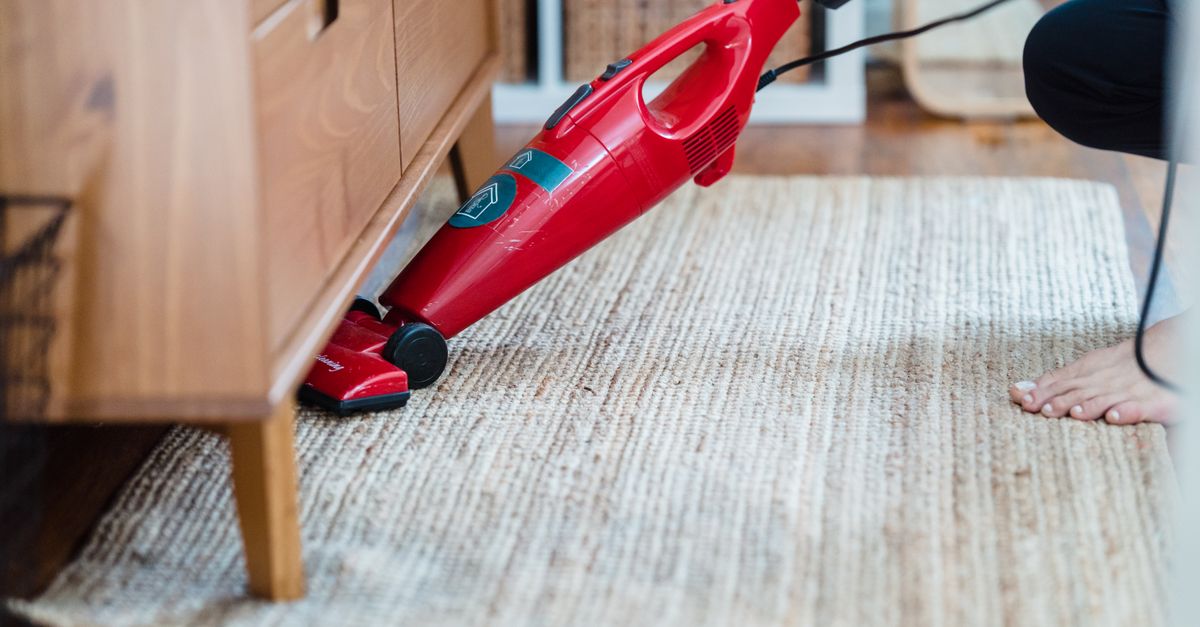
- Vacuum the area using suction-only mode (disengaging the beater bar) to lift the loosened fibers.
The Internet Ice Cube Hack: Why You Should Proceed with Caution
A widely circulated internet tip suggests placing an ice cube directly into a furniture dent and allowing it to melt completely before vacuuming. While this trick may occasionally work on cheap synthetic carpeting, rug care professionals advise extreme caution when applying it to area rugs—especially handmade, antique, or wool pieces.
Melting ice delivers an uncontrolled volume of standing water directly into the rug backing. On wool and silk rugs, excess localized moisture can cause several serious issues:
- Dye Bleeding: Unfixed vegetable or acid dyes can dissolve and migrate into surrounding lighter yarns.
- Foundation Weakening: Cotton warps and wefts can warp or degrade when soaked unevenly.
- Mildew and Odor: Water that seeps through to the rug pad and subfloor dries slowly, creating ideal conditions for mildew and persistent sour odors.
- Browning: Jute foundations can release cellulosic browning agents that permanently discolor the surface pile.
If you choose to use the ice cube method on a synthetic rug, always place a shallow dish or towel underneath the rug to catch runoff, blot excess moisture immediately, and never leave melting ice unattended on fine textiles.
How to Prevent Furniture Marks on Your Rugs
Preventing crushed pile is far simpler than correcting deep indentations. By adopting a few proactive habits, you can keep your area rugs looking uniform and vibrant for decades.
1. Use Broad-Base Furniture Coasters and Caster Cups
Small, narrow furniture legs concentrate hundreds of pounds of pressure onto a few square inches. Placing high-quality wood, acrylic, or felt-lined caster cups under each leg distributes the weight across a broader surface area, dramatically reducing point pressure.
2. Invest in a Dense, High-Quality Rug Pad
A supportive, dense rug pad acts as a shock absorber between your rug and the hard floor beneath. High-density felt pads distribute furniture load more evenly across the rug backing, preventing the foundation from bottoming out and compressing the pile permanently.
3. Rotate Your Rugs Regularly
In addition to balancing sunlight exposure and foot traffic wear, rotating your area rugs 180 degrees every 6 to 12 months shifts where heavy furniture legs rest. This gives compressed fibers ample time to recover naturally before irreversible compaction occurs.
4. Shift Furniture Slightly During Routine Cleaning
When vacuuming your living spaces, shift couches, armchairs, and tables by just an inch or two in any direction. This minor adjustment prevents continuous pressure from targeting the exact same yarn clusters year after year.
Common Mistakes to Avoid
- Scrubbing the pile vigorously: Aggressive scrubbing with stiff brushes can fray yarn ends, cause fiber fuzzing, and distort the original rug texture.
- Using high direct heat: Placing a hot iron directly onto synthetic fibers will melt the plastic filaments, causing permanent, glossy burn marks.
- Over-saturating the rug: Applying excessive water without adequate extraction risks water rings, dye run, and subfloor damage.
- Ignoring rug fiber composition: Treating a fine Persian wool or silk rug with the same aggressive methods used on synthetic carpets can destroy delicate heirloom weaves.
When to Call a Professional Rug Cleaner
If a heavy piece of furniture has rested in the same spot for several years, the fibers may be deeply embedded with compacted particulate soil that locks the crushed pile in place. Standard home steaming or brushing cannot safely release this compacted soil without risking fiber breakage.
Delicate, antique, silk, Persian, Oriental, or heirloom wool rugs should always be professionally evaluated. Facility-based rug cleaning utilizes specialized dusting equipment to gently dislodge deep soil, followed by pH-balanced washing and controlled drying chambers that restore fiber loft, softness, and resilience across the entire rug surface.
Restore the Beauty of Your Area Rugs
Whether you need to refresh compressed pile, remove stubborn seasonal dust, or restore an entire room of heirloom area rugs, Salt Lake City Rug Cleaning offers comprehensive, fiber-safe care tailored to Utah homes. Take advantage of convenient pickup and delivery throughout the Salt Lake Valley and surrounding communities, or contact our local rug care team today to request an instant quote.
Frequently Asked Questions