How to Store Your Area Rugs Safely: A Guide to Preventing Damage
Whether you are preparing for a major home renovation, rotating your seasonal home decor, or packing up for a move across Utah, there are times when your beautiful textiles need to be put away. However, simply rolling up a rug and tossing it into a basement, attic, or garage can lead to irreversible damage. Knowing how to store area rugs properly is essential to protect your investment from pests, moisture, permanent creasing, and fiber degradation.
As local rug care professionals at Salt Lake City Rug Cleaning, we frequently see beautiful, valuable textiles ruined by improper storage. Many of these issues—such as moth infestations, dry rot, and deep creases—could have been easily avoided with the right preparation. In this guide, we will walk you through the essential steps to prepare, wrap, and store your rugs safely so they remain in pristine condition until you are ready to lay them out again.
Why Proper Rug Storage Matters
Area rugs, especially those made from natural fibers like wool, silk, and cotton, are durable but sensitive to their environment. When left in storage without preparation, they become vulnerable to several threats:
- Insect Damage: Clothes moths and carpet beetles thrive in dark, undisturbed storage spaces. They feed on natural proteins like wool and silk, quietly chewing holes through the rug's foundation and pile.
- Moisture and Mold: Utah's climate can be dry, but basement floors, garages, and attics can experience humidity fluctuations. Trapped moisture leads to mildew, mold, and dry rot, which destroys the rug's backing and fibers.
- Structural Distortion: Folding a rug or storing it standing upright can warp its shape, crack its backing, or cause permanent creases that are incredibly difficult to remove.
By taking a few preventative measures, you can protect your rugs from these hidden dangers and ensure they are ready to beautify your home for years to come.
Step 1: Clean the Rug Thoroughly Before Storage
The single most important rule of rug storage is to never store a dirty rug. Even if a rug looks clean to the naked eye, it contains microscopic skin cells, pet dander, food spills, and dust. These organic materials are a primary food source for destructive pests. Storing a dirty rug is essentially inviting moths and beetles to a feast.
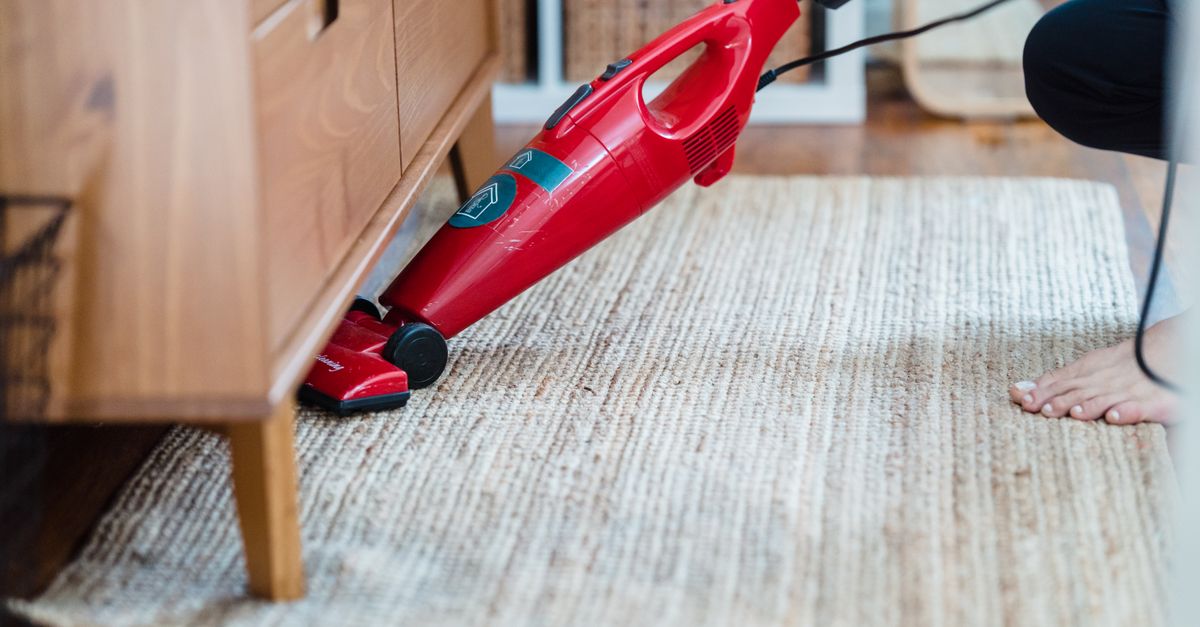
In addition, any existing spots or spills left on the rug will oxidize over time, making them nearly impossible to remove when you unpack the rug later. Vacuum both the front and back of the rug thoroughly to remove loose dirt and dust. For natural fiber rugs, such as wool, silk, or antique rugs, we highly recommend having them professionally washed before storage. A professional cleaning removes deeply embedded soils, neutralizes odors, and ensures the rug is completely sanitized.
Step 2: Apply a Protective Insect Treatment
Once the rug is clean and completely dry, the next step is protecting it from pests. Clothes moths do not like light or movement, making stored rugs their ideal target. To protect your investment, apply a specialized moth-repellent treatment.
We strongly advise against using traditional mothballs. Mothballs release toxic chemical vapors that are harmful to pets and humans, and they leave behind a pungent, oily odor that can be nearly impossible to extract from natural fibers. Instead, look for natural, fabric-safe insect repellents or, better yet, ask your professional rug cleaner to apply a specialized, residue-free moth preventative during the cleaning process. This professional treatment makes the fibers unpalatable to moth larvae, offering long-lasting protection without the chemical smell.
Step 3: Roll the Rug Correctly (Never Fold)
It can be tempting to fold an area rug into a neat square to save space, but this is one of the most damaging things you can do. Folding puts immense stress on the foundation of the rug. Over time, folding causes permanent creases, cracks the backing of structured rugs, and can even snap the delicate warp and weft threads of handmade rugs.
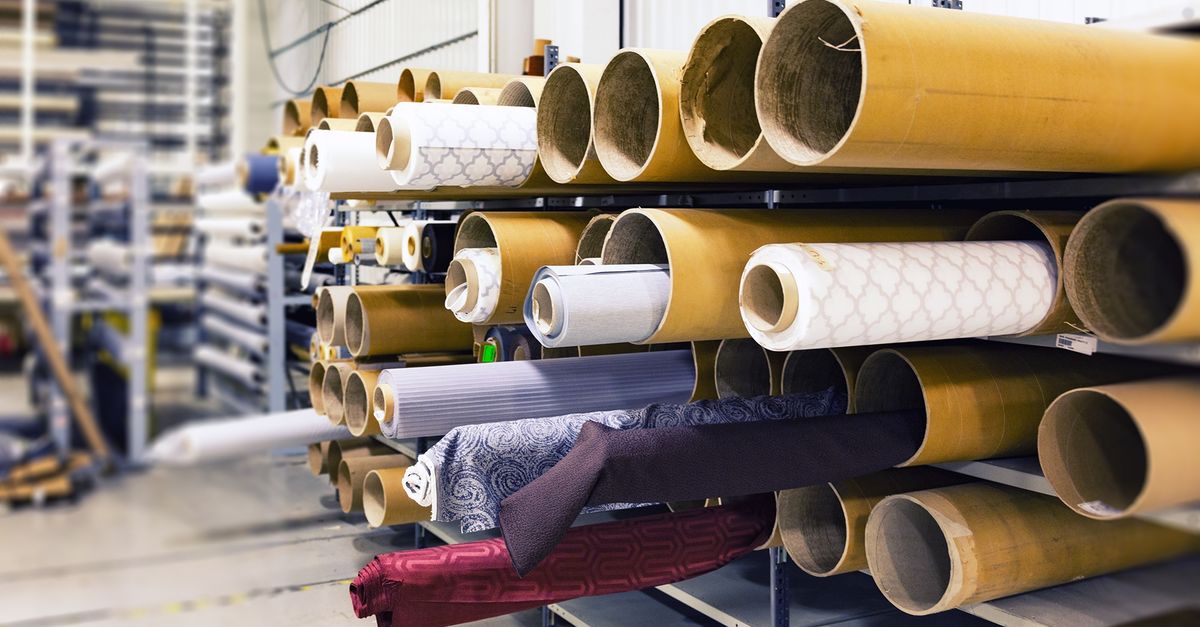
Always roll your rugs for storage. To roll a rug correctly, determine which way the pile runs by sliding your hand across the surface. You want to roll the rug in the direction of the pile's natural lay. Generally, wool and silk rugs should be rolled with the pile facing inward to protect the delicate surface fibers. However, if the rug has a very stiff backing, rolling it with the pile facing outward may put less stress on the backing. Roll the rug straight and firmly, but avoid rolling it so tightly that you stretch or warp the foundation.
Step 4: Wrap the Rug in a Breathable Material
Once your rug is rolled, it must be wrapped to keep out dust, light, and pests. However, the type of wrapping material you choose is critical. Never wrap an area rug in plastic wrap or plastic bags.
Plastic traps air and condensation. Even a tiny amount of ambient moisture trapped inside plastic can create a humid greenhouse effect, leading to rapid mold growth, musty odors, and dry rot. Instead, wrap your rug in a breathable material that allows air to circulate while keeping pests and dust out. Heavy brown kraft paper, Tyvek wrapping, or specialized cotton rug storage sleeves are excellent choices. Secure the wrapping with archival tape or painter's tape, making sure the tape only touches the wrapping material and never the rug fibers themselves.
Step 5: Choose a Safe, Elevated Storage Environment
Where you store your rug is just as important as how you wrap it. Avoid storing rugs directly on concrete floors. Concrete is porous and can draw moisture up from the ground, transferring dampness directly into your rug.
The ideal storage space is a climate-controlled area of your home, such as a spare closet, a clean bedroom, or a temperature-regulated storage unit. Avoid unheated garages, attics, and damp crawlspaces, which experience extreme temperature swings and humidity. Additionally, store your rugs horizontally on an elevated shelf, pallet, or platform. Never store a rolled rug standing upright on its end. Over time, gravity will cause the rug to slump and buckle, crushing the bottom edges and permanently distorting the rug's shape.
Common Rug Storage Mistakes to Avoid
To keep your rugs safe, be sure to avoid these frequent homeowner mistakes:
- Storing a Damp Rug: Even a slightly damp rug wrapped for storage will develop mold and mildew within days. Ensure your rug is completely dry before wrapping.
- Using Heavy Plastic: As mentioned, plastic wrap is a recipe for dry rot. Always stick to breathable kraft paper or cotton sleeves.
- Neglecting Regular Inspections: Do not just "set it and forget it." If you are storing rugs long-term, unpack and inspect them every six months. Look for signs of insect activity, musty odors, or moisture. Vacuuming the rug during these inspections also helps disrupt any potential pest habitats.
- Storing Directly on Concrete: Always elevate your rugs to prevent moisture transfer.
When to Call a Professional for Rug Storage Prep
While synthetic, machine-made rugs can often be prepped for storage at home, delicate, antique, silk, Persian, Oriental, and high-value wool rugs require extra care. Natural fibers are much more attractive to pests and far more sensitive to moisture damage.
Before packing away a valuable heirloom, it is highly recommended to have it professionally evaluated and cleaned. A professional rug cleaning facility can thoroughly wash and dry the rug using controlled, high-airflow drying rooms to guarantee no moisture remains. Additionally, professionals can apply specialized moth-repellent treatments and wrap your rugs in commercial-grade, breathable protective wrap designed specifically for long-term storage.
How Salt Lake City Rug Cleaning Can Help
At Salt Lake City Rug Cleaning, we understand that your rugs are more than just floor coverings—they are valuable investments and cherished parts of your home. If you are preparing to store your rugs, let us take the stress out of the preparation. Our comprehensive rug cleaning process includes a detailed inspection, thorough dusting, deep washing, and rapid, controlled drying. We also offer professional moth-preventative treatments and secure wrapping services specifically tailored for storage.
To make the process as convenient as possible, we offer free porch pickup and delivery throughout Salt Lake City and the surrounding Wasatch Front areas. You can easily schedule a pickup or request an instant quote online, ensuring your rugs are professionally cared for and protected before they go into storage.
Final Thoughts
Taking the time to clean, roll, wrap, and elevate your area rugs before storing them is the best way to protect your investment. By avoiding plastic wrap, keeping them off concrete floors, and ensuring they are thoroughly clean, you can prevent costly damage from pests and moisture. When you are ready to bring your rugs back out, they will be clean, fresh, and beautiful, ready to warm up your Salt Lake City home once again.
Frequently Asked Questions