Protecting Your Handmade Rugs from Salt Lake City Sunlight and UV Fading
Salt Lake City is known for its incredible mountain views and over 220 days of sunshine each year. While that abundance of natural light makes our homes bright and welcoming, it presents a unique challenge for homeowners with handmade wool or silk floor coverings. Ultraviolet radiation can gradually break down natural fibers and bleach rich dyes, leading to premature fading. Understanding how to manage light exposure helps preserve the beauty and longevity of your fine rugs.
The Impact of Utah's High-Altitude Sun on Natural Fibers
Because Salt Lake City sits at a higher elevation, the intensity of solar radiation is stronger than in lower-altitude regions. When sunlight streams through large living room windows day after day, it targets the upper pile of area rugs. Natural materials like wool and cotton handle light better than synthetic fibers, but prolonged exposure still weakens the structural integrity of the yarn and shifts dyed colors toward muted or washed-out tones.
Practical Strategies for Light Management
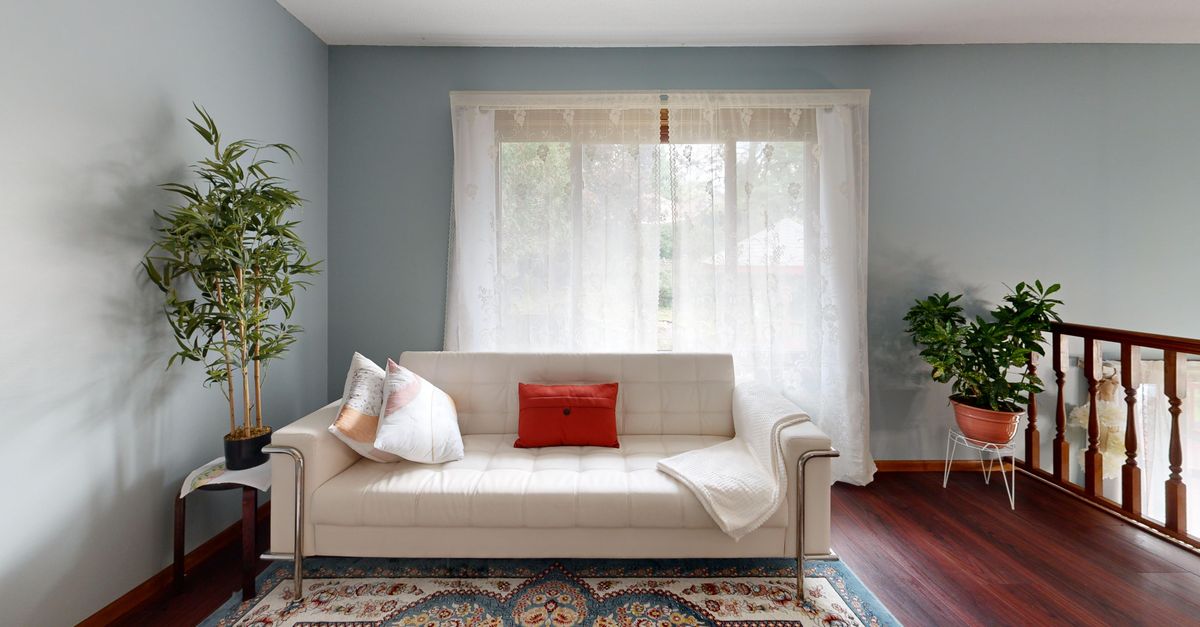
Protecting your floor coverings does not mean you have to keep your curtains drawn all day. Simple adjustments to your interior layout make a substantial difference in how light interacts with your decor.
1. Regular Rug Rotation
Rotating your rug every six months prevents one specific edge or corner from absorbing the brunt of daily UV exposure. This practice also ensures even wear patterns from foot traffic, balancing out the effects of both sun and use.
2. Strategic Furniture Placement
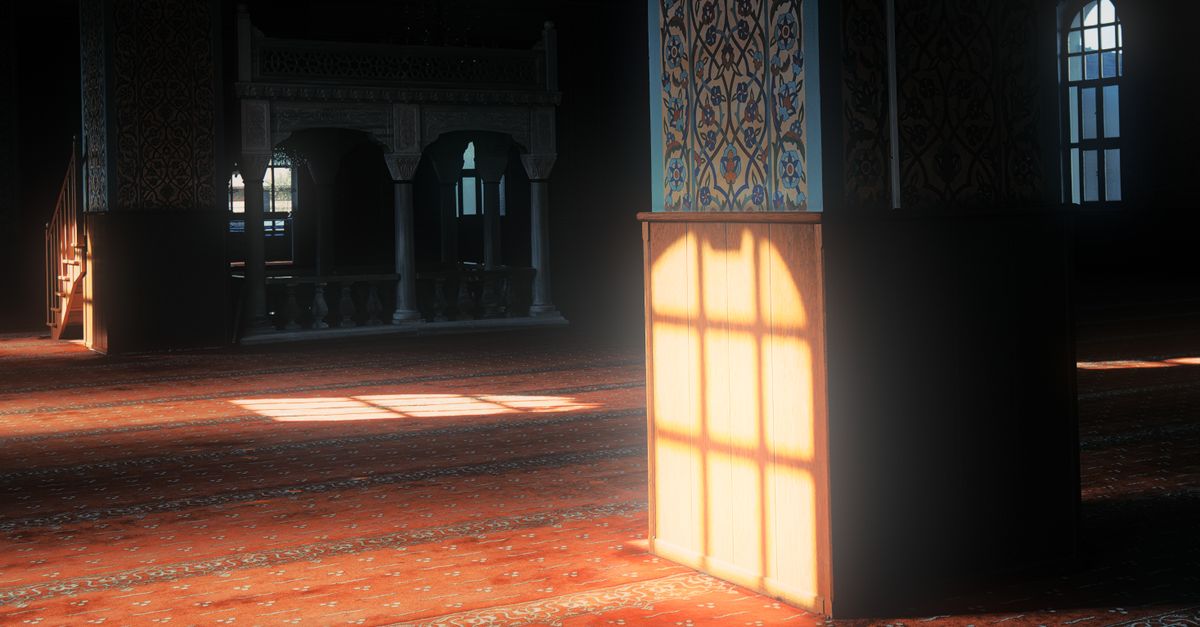
Positioning larger furniture pieces or utilizing architectural shading elements can cast natural shadows across vulnerable sections of an entryway or living room rug during peak afternoon hours.
3. Installing UV-Blocking Window Treatments
Modern UV window films and sheer solar shades block harmful ultraviolet rays while still allowing natural daylight to fill your home. This protective layer is especially beneficial for delicate antique or Persian rugs.
When to Seek Professional Evaluation
If your rug has already suffered severe sun bleaching or if the fibers feel dry and brittle to the touch, harsh home cleaning solutions will only worsen the issue. For valuable, antique, silk, or handmade wool rugs, consult a professional rug care specialist in Salt Lake City to evaluate fiber health and discuss safe conditioning or dye-stabilizing options.
By taking proactive steps to manage light exposure, you can enjoy the warmth of Utah's sunshine while keeping your fine rugs vibrant and secure for generations to come.
Frequently Asked Questions