Silk Rug Care: How to Clean and Maintain Delicate Silk Area Rugs
Silk area rugs are among the most exquisite, intricate, and valuable floor coverings in the world. Renowned for their luminous sheen, dense knot counts, and breathtaking detail, genuine silk rugs are true works of art. However, the delicate natural protein fibers that give silk its unmistakable luster also make it one of the most sensitive materials in your home. Proper silk rug care requires a gentle, specialized approach to preserve its rich colors, soft pile, and structural integrity for generations to come.
Whether you have recently acquired a hand-knotted Persian silk rug or have inherited a treasured family heirloom, understanding how silk behaves under daily use is essential. Here in Utah, where dry air, seasonal dust, and indoor heating create distinct home environments, caring for fine natural textiles demands mindful maintenance. This guide outlines practical, safe steps you can take at home to maintain your silk rug, along with critical warnings on what never to do.
Understanding Silk Fibers: Why Delicate Care Is Essential
Natural silk is an organic protein fiber produced primarily by the mulberry silkworm (Bombyx mori). Because silk fibers are remarkably fine, weavers can tie hundreds of knots per square inch, producing complex, fluid floral and geometric patterns that simply cannot be replicated in wool or synthetic materials. Despite its high tensile strength when dry, silk possesses unique vulnerabilities that rug owners must respect:
- Loss of Strength When Wet: Natural silk loses roughly 20% of its tensile strength when exposed to moisture, making wet fibers prone to stretching, distortion, and breakage.
- Chemical and pH Sensitivity: Silk fibers are highly reactive to alkaline substances. Common household detergents, alkaline spot cleaners, ammonia, and chlorine bleach can permanently dissolve or degrade silk proteins.
- Dye Bleeding Risk: Traditional silk rugs are often dyed using natural, acid-based plant and mineral dyes that can bleed or run if soaked in standing water or exposed to inappropriate cleaning solutions.
- Frictional Wear: Abrasive grit, harsh vacuum bristles, and heavy foot traffic can crush and abrade delicate silk pile, permanently dulling its natural reflective sheen.
Routine Silk Rug Maintenance: Dusting and Vacuuming Safely
Regular maintenance is the cornerstone of effective silk rug care. Dust and airborne grit settled between the fine knots act like microscopic sandpaper, wearing down the base of the pile every time someone steps on the rug. However, standard carpet cleaning equipment is far too aggressive for delicate silk weaves.
1. Use Suction-Only Vacuuming
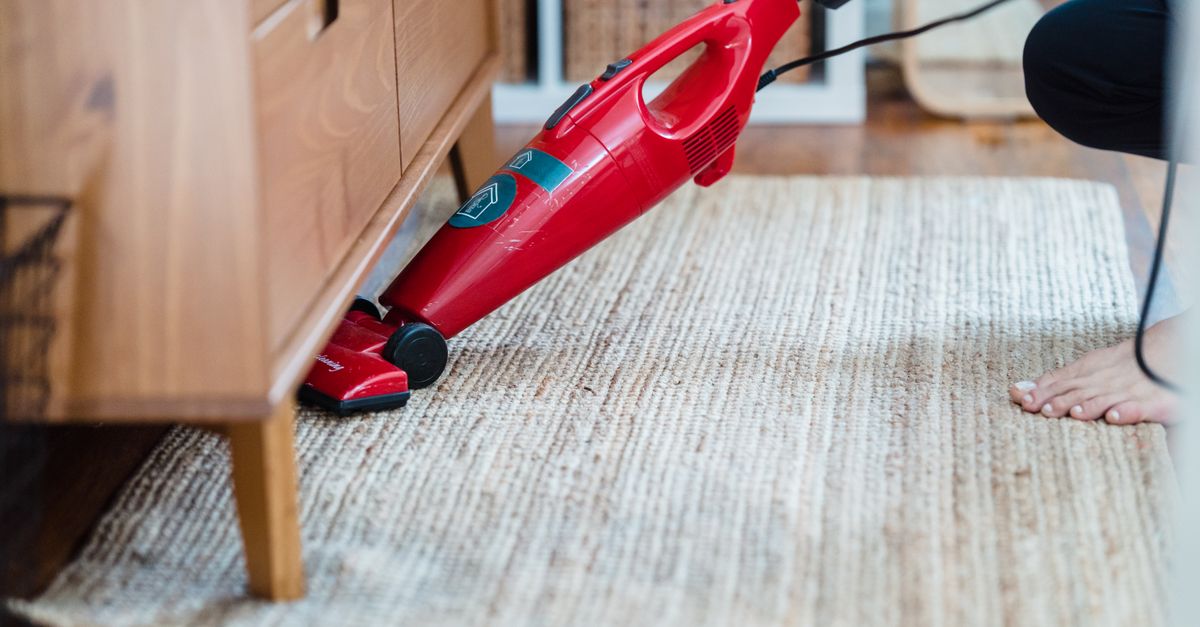
Never run a vacuum cleaner with a rotating beater bar, power head, or stiff rotating roller brush over a silk rug. The mechanical agitation will pull, snag, and shred the fine silk filaments, leading to irreversible fuzzing and pile loss. Instead, use a canister vacuum with a handheld upholstery attachment or set your vacuum to suction-only mode. Glide the nozzle gently in the direction of the pile nap.
2. Keep Fringe Strictly Out of the Vacuum
The fringe tassels of a silk rug are the exposed foundation warp threads that hold the entire woven structure together. Never allow a vacuum nozzle near the fringe. If fringe becomes tangled in a vacuum intake, it can rip away from the end knots, causing the rug to unravel. To clean the fringe, simply comb it gently with your fingers or a wide-tooth comb.
3. Use a Soft Horsehair Brush or Gentle Sweeper
For routine surface dusting, a soft natural-bristle brush, such as a horsehair upholstery brush, is an excellent tool. Gently sweep across the surface in the direction of the rug's natural sheen to lift light dust, lint, and pet dander without stressing the foundation.
Emergency First Aid: What to Do When Spills Occur
Accidental spills require swift, calm action. The golden rule of treating silk is to remove as much liquid as possible without rubbing or adding reactive chemicals.
Step 1: Blot Immediately with a Dry White Cloth
Place a clean, dry, un-dyed white cotton towel or microfiber cloth directly over the spill. Press down firmly with your flat hand to draw the liquid up into the towel. As the towel absorbs the spill, rotate to a fresh, dry section and continue pressing. Never use colored napkins or printed paper towels, as their dyes can easily transfer onto wet silk fibers.
Step 2: Never Rub, Scrub, or Scrape
Rubbing a spill drives the liquid deeper into the dense knot structure and foundation warp. Furthermore, scrubbing abrades wet silk fibers, creating permanent pile distortion and visible light patches where the natural sheen has been crushed.
Step 3: Elevate and Air Dry
Once you have extracted the majority of the surface moisture, lift the damp section of the rug off your flooring. Place a clean, dry towel beneath it or elevate the corner on a stable support to allow gentle room-temperature airflow around both the front and back of the rug. Use a standard floor fan or ceiling fan on a low setting to speed up drying. Never apply heat from hair dryers, space heaters, or irons.
Common Mistakes to Avoid in Silk Rug Care
Because silk requires specialized handling, well-intentioned DIY cleaning attempts often result in accidental damage. To keep your investment safe, avoid these frequent pitfalls:
- In-Home Steam Cleaning: Steam uses pressurized hot water that relaxes silk fibers, causes natural dyes to migrate, and traps moisture deep inside the dense backing, leading to dry rot and mildew.
- Store-Bought Stain Sprays: Commercial spot cleaners, enzyme formulas, and oxygen bleaches are designed for synthetic wall-to-wall carpets. They contain harsh surfactants and alkaline agents that can bleach, dissolve, or permanently discolor silk.
- Over-Wetting with DIY Vinegar or Baking Soda: Home remedy concoctions can leave stubborn crystalline residues, alter the delicate acid pH balance of silk dyes, and saturate foundation cords.
- Placing Silk in High-Traffic or Muddy Zones: Silk rugs belong in low-traffic, tranquil areas such as formal living rooms, master bedrooms, or executive offices. Avoid entryways, dining areas subject to dropped food, or damp spaces like bathrooms.
Protecting Your Silk Rug from Environmental Factors
Beyond cleaning, protecting the environment surrounding your silk rug will prolong its beauty and value.
Invest in a High-Density, Non-Slip Rug Pad
A quality rug pad designed specifically for fine area rugs provides essential cushioning that absorbs footstep impact and prevents the rug from sliding, buckling, or wrinkling. Ensure the pad does not contain synthetic adhesives or off-gassing plastics that could adhere to the rug's backing or damage underlying hardwood floors.
Rotate the Rug Regularly
To ensure even distribution of foot traffic and subtle ambient light exposure, rotate your silk rug 180 degrees every six to twelve months. This simple habit prevents localized wear lanes and keeps colors balanced across the entire field.
Filter Direct Sunlight
While Utah's sunny climate is wonderful, intense direct sunlight through south- or west-facing windows can fade delicate natural dyes over time. Use sheer window draperies, UV-blocking window films, or low-emissivity glass to shield your fine rugs from harsh solar exposure.
When to Call a Professional for Silk Rug Cleaning
Unlike standard floor coverings, authentic silk rugs should never be cleaned with generic surface extraction or carpet cleaning machines. Complete, safe cleaning requires a controlled, specialized rug washing facility.
You should arrange professional care when:
- The rug feels stiff, heavy, or gritty near the base of the pile.
- A dark liquid spill, wine, coffee, or pet accident has penetrated the fibers.
- Colors appear muted or obscured by micro-dust.
- The rug has not received a comprehensive facility wash in 18 to 24 months.
At a dedicated facility, experienced rug technicians perform careful fiber testing, pre-dusting via harmonic vibration to release dry particulates, pH-neutral immersion washing, gentle rinsing, and temperature-controlled drying with high-volume air movement. This comprehensive process cleans deep into the knotting without subjecting fragile silk proteins to high heat, harsh friction, or chemical stress.
Protect Your Investment with Salt Lake City Rug Cleaning
Preserving the lustrous beauty, vibrant colors, and delicate texture of an authentic silk rug requires patience, knowledge, and fiber-specific expertise. If your silk or silk-blend area rug is due for a thorough, professional cleaning, trust the specialists at Salt Lake City Rug Cleaning.
We treat every handmade textile with the individualized care it deserves, using dedicated rug-washing techniques tailored specifically to silk and fine natural fibers. We invite you to contact Salt Lake City Rug Cleaning today to request an instant quote or schedule our convenient free rug pickup service across the Salt Lake Valley and surrounding Utah communities.
Frequently Asked Questions