Protect Your Rugs: Understanding Sunlight and Fading in Utah
As a local rug care professional here in Salt Lake City, I've seen firsthand how the beautiful Utah sunshine, while a blessing, can also pose a challenge for the valuable rugs in our homes. The vibrant colors that first drew you to your Persian, Oriental, or handmade rug can, over time, be dulled by the very sunlight that makes our state so appealing. Understanding how sunlight affects rugs and taking preventative measures is key to preserving their beauty and longevity. This article will guide you through the process of protecting your rugs from sun-induced fading.
The Science Behind Sun Fading
Sunlight, particularly its ultraviolet (UV) rays, is a powerful force that can degrade the dyes in rug fibers. When UV rays penetrate the fibers, they break down the chemical bonds that give rugs their rich colors. This process, known as photodegradation, leads to a gradual lightening and washing out of the colors, often resulting in a mottled or uneven appearance. Different types of dyes react differently to sunlight; natural dyes, often found in antique and traditional rugs, can be more susceptible than synthetic dyes. However, even rugs with synthetic dyes will eventually fade with prolonged exposure.
Local Relevance: Utah's Intense Sunlight
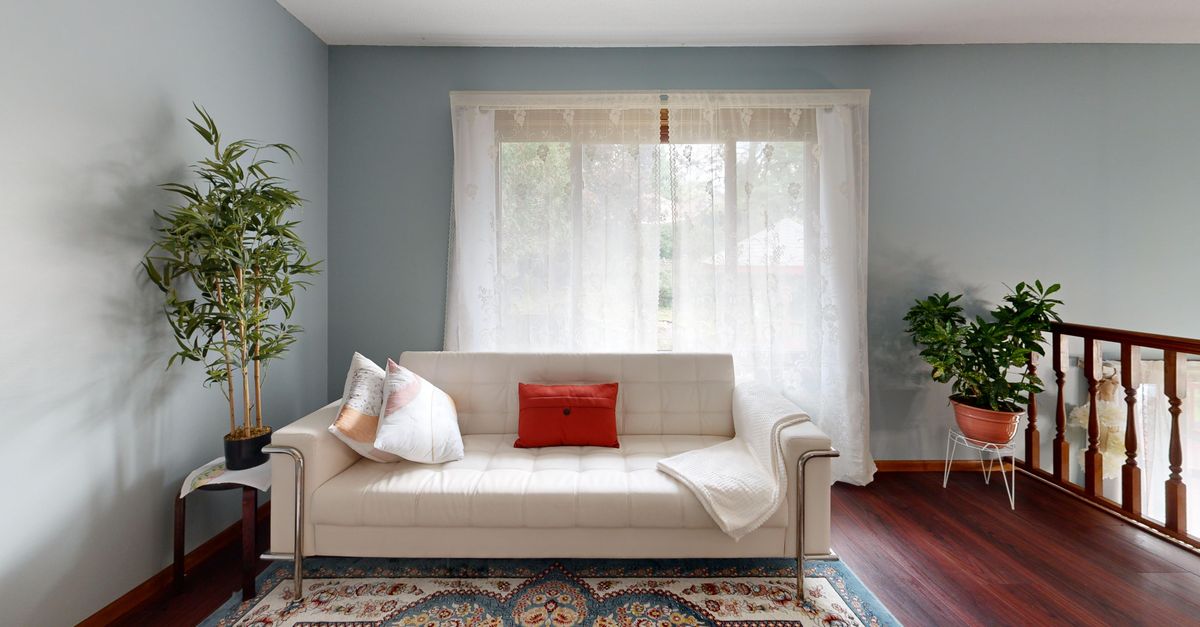
Here in Utah, we're fortunate to enjoy abundant sunshine throughout much of the year. While this is wonderful for our outdoor activities, it also means our indoor furnishings, including rugs, are exposed to higher levels of UV radiation. Large windows, skylights, and even indirect sunlight that bounces off walls can contribute to fading. Areas that receive direct sunlight for several hours a day, such as south-facing rooms or rugs placed near west-facing windows, are particularly at risk. Recognizing the intensity of our local sunlight is the first step in proactively protecting your rugs.
Practical Tips to Prevent Fading
Fortunately, there are several effective strategies you can employ to combat sun fading:
1. Strategic Placement
Consider where you place your rugs. Avoid positioning valuable or brightly colored rugs in direct sunlight for extended periods. If a rug is in a high-traffic area that also receives a lot of sun, such as an entryway or a living room with large windows, you may need to be more diligent with other preventative measures.
2. Regular Rotation
This is one of the simplest yet most effective methods. Rotate your rugs every three to six months. This ensures that all parts of the rug are exposed to light and wear more evenly, preventing one section from becoming significantly faded compared to others. If you have furniture on the rug, try to rotate it along with the rug, or at least shift the furniture's position slightly.
3. Window Treatments
Utilize window coverings to diffuse or block sunlight. Options include:
- Curtains and Drapes: Heavy or lined curtains can significantly reduce UV exposure when closed.
- Blinds and Shades: Adjustable blinds or light-filtering shades allow you to control the amount of light entering the room.
- UV-Filtering Films: Apply a transparent UV-filtering film directly to your windows. This is an excellent option if you want to maintain natural light levels while blocking harmful rays.
4. Rug Pads
While primarily for comfort and rug longevity, high-quality rug pads can also offer a slight buffer against direct sunlight, especially if they have a denser construction.
Common Mistakes to Avoid
One common mistake homeowners make is assuming that because a rug is in a room with windows, it's not being exposed to damaging sunlight. Even indirect light can contribute to fading over long periods. Another mistake is not rotating rugs at all, leading to noticeable differences in color over time. Finally, some may believe that once a rug has faded, there's nothing that can be done, but proactive measures can prevent this from happening.
When to Call a Professional
While these tips help prevent fading, if you have a particularly valuable, antique, or delicate rug (like silk or fine wool), or if you notice significant fading, it's always best to consult a professional rug cleaning service. We can assess the type of dyes, the fiber content, and the extent of any damage. For certain rugs, specialized treatments or careful cleaning methods can help revive colors or at least prevent further deterioration. Attempting aggressive DIY cleaning on a faded rug could inadvertently cause more harm.
Protecting your rugs from the harsh Utah sun is an ongoing process, but with a little awareness and consistent effort, you can keep your beautiful floor coverings looking vibrant for years to come. Consider these steps to ensure your rugs remain a stunning focal point in your home, not a faded reminder of what they once were.
Frequently Asked Questions